
Printed products can deliver a wide range of communication and protection. The size and scale of items vary from a small pin badge to a full-scale banner. The printing process doesn’t stop straight from the press. There is a wide range of print finishes to be considered.
This article will explore what is print finishing and its applications in producing high-quality marketing products.
What is Print Finishing?
Printing finishing refers to the process applied after a piece has been printed. Typically, this process includes cutting, folding, laminating, and binding techniques. Modern techniques now provide for an array of enhancing effects.
Specific finishing techniques can add functionality, such as making a brochure easier to handle or making a business card more durable and eye-catching.
The Importance of Printing Finishing
The goal of print finishing is to improve the overall quality of the printed materials. Print finishing not only enhances the visual appeal, making it flawless, but it can also provide added protection against wear and tear.
High-quality finishing can differentiate a product in a competitive market, conveying a sense of professionalism and attention to detail.
Printing Finishing Techniques:
Here are some finishing techniques that offer unique benefits and applications, allowing for creative and customised solutions to meet various design and marketing needs:
Spot UV Coating
Spot UV coating is a printing technique that creates a gloss or shiny effect on specific areas of a printed piece. A clear coating is applied on top of the ink or directly on the material to make aspects stand out. This method is valued for creating a luxurious feel and enhancing the appeal of the design.
It’s typically used on business cards, brochures, flyers, and packaging to make logos, text, or images pop.
Lamination
Lamination involves applying a thin plastic film to a printed material to protect it from damage, ultimately extending its lifespan. This technique uses a glossy or matte finish, offering a different aesthetic appeal.
Lamination is commonly used for items that require long-term protection, such as menus, maps, brochures and educational materials.
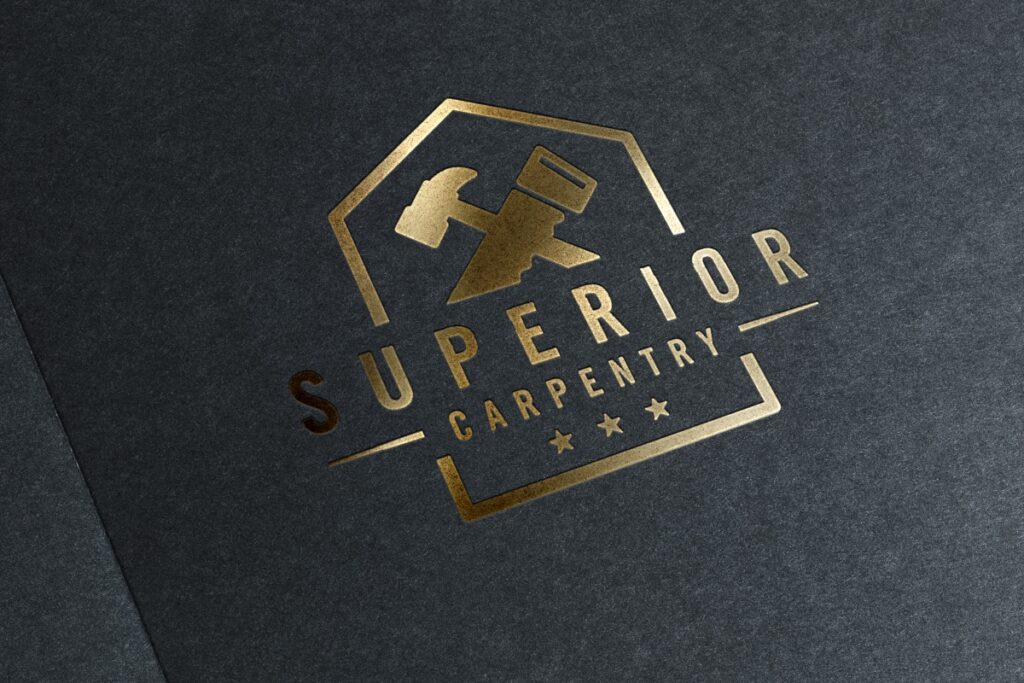
Foil Stamping
Foil stamping is a technique that uses heat and pressure to apply metallic or pigmented foil to paper. This more expensive process creates a shiny, reflective finish that adds a luxurious touch to printed items.
As foil stamping gives a material a high-end, eye-catching look, it is popular for packaging, greeting cards and promotional materials.
Edge Painting
Edge painting involves colouring the edges of the material to add a pop of colour and a unique design element. This technique can enhance the overall aesthetic of a product and make it stand out. Edge painting is often used with other finishing techniques to create a cohesive and stylish look.
This technique is best on thick material cards that are used to make business cards.
CAD Cutting
This computer-aided design (CAD) technique uses precise cutting tools controlled by computer software to create intricate designs and shapes. It allows for high accuracy and consistency in cutting, making it ideal for creating custom shapes on printed materials like Foamex, Correx, Dibond or acrylic.
CAD cutting is commonly utilised for packaging, labels, promotional figures and free-standing displays.
Die Cutting
Die cutting is a process that uses a metal cutting die to create unique and intricate shapes from printed materials, making them stand out and leave a lasting impression.
This eye-catching printing technique is frequently used to give packaging, catalogue covers, business cards, invitations, brochures and labels a distinctive look and feel.
Varnishing
Varnishing involves applying a clear coating to printed materials to protect products from environmental factors and enhance the appearance of the print. Depending on its use, this technique can give printed materials a smooth finish using different finishes, such as gloss, UV, spot UV, textured, matte or satin.
This print finishing can be found on marketing products such as magazine covers and pages, packaging, brochures, flyers, event invitations and direct mail pieces.

Tony Hunt is a seasoned Print Industry Expert with over three decades of experience in the trade. He has been instrumental in helping clients expand their product ranges, secure more business, and ultimately increase their profitability. Tony’s approach is characterised by enthusiasm and passion, balanced with a realistic and tactical mindset. His expertise is further bolstered by seven years of running his own business, fostering a commercially-driven perspective. An excellent communicator, Tony prides himself on never compromising on detail.